Arthritis in dogs: symptoms, treatment and how to help your dog every day
Stiff mornings, limping, shorter walks: how to spot arthritis in dogs, the treatments your vet can offer and practical ways to help your dog at home.
Dog health
Stiffness after a nap, hesitation at the stairs, shorter walks: joint problems are among the most common reasons dogs see the vet, at any age.
Our guides help you understand what is happening, recognise warning signs and support your dog day to day, together with your vet.
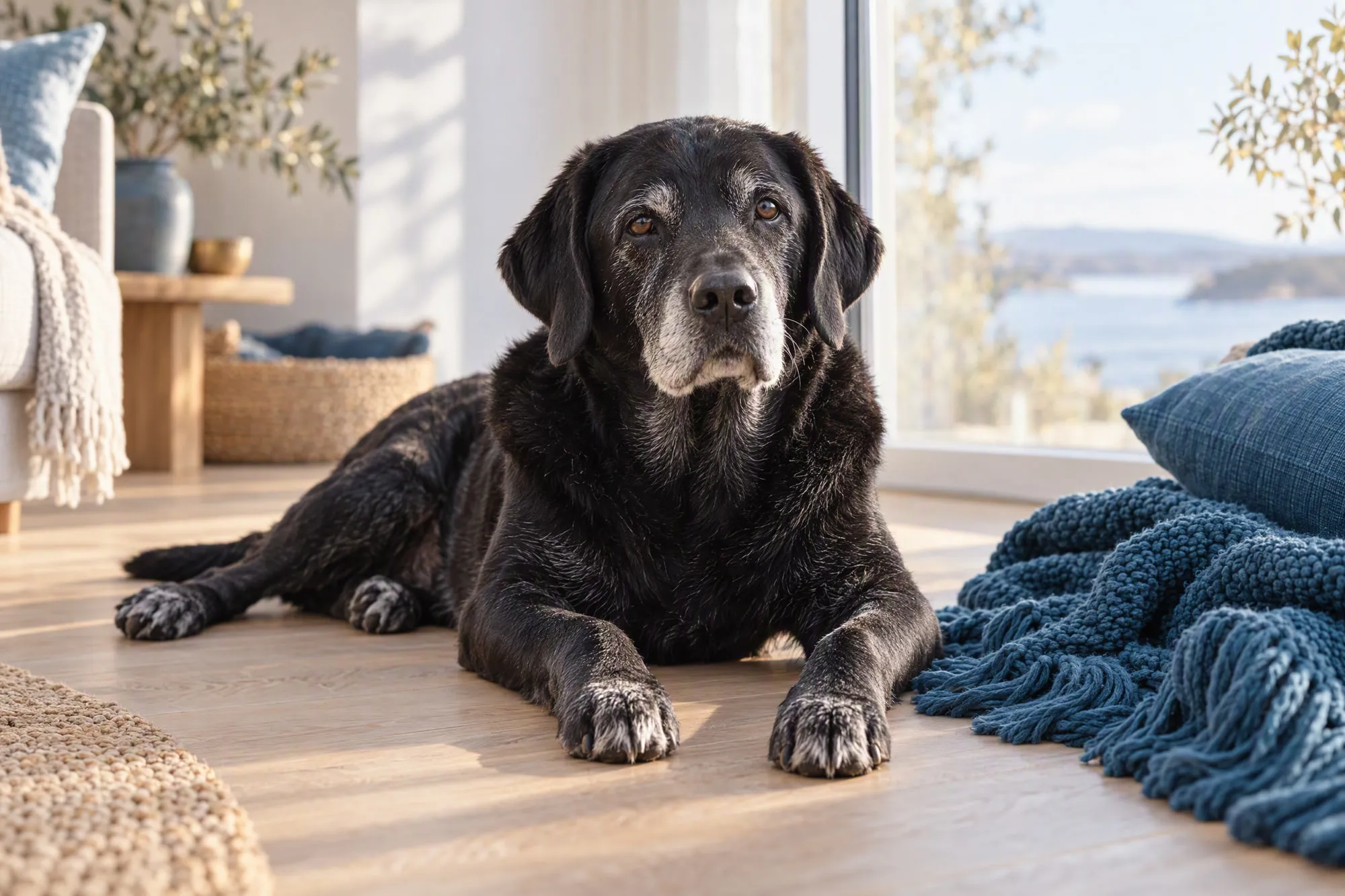
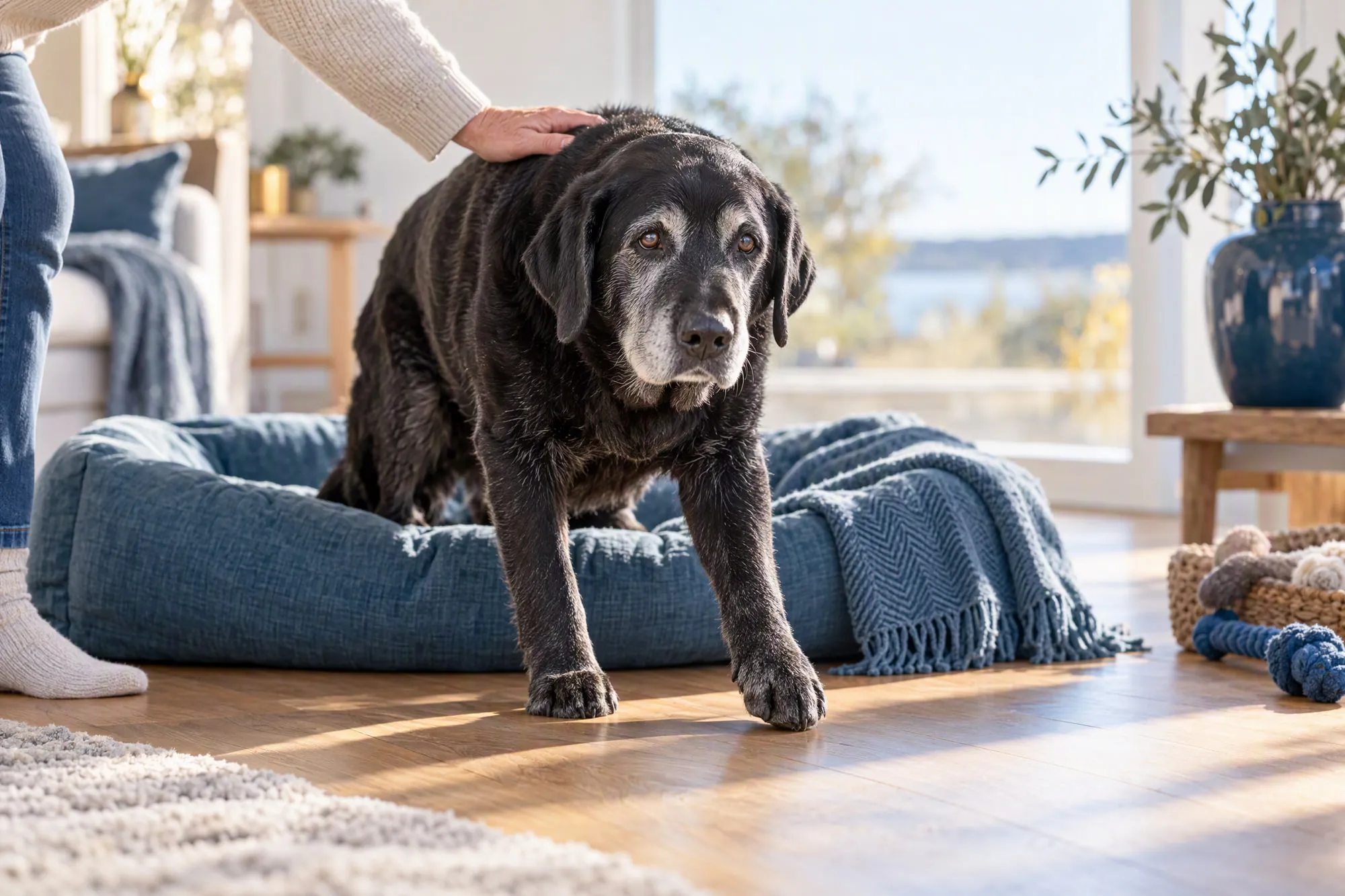
Stiff mornings, limping, shorter walks: how to spot arthritis in dogs, the treatments your vet can offer and practical ways to help your dog at home.
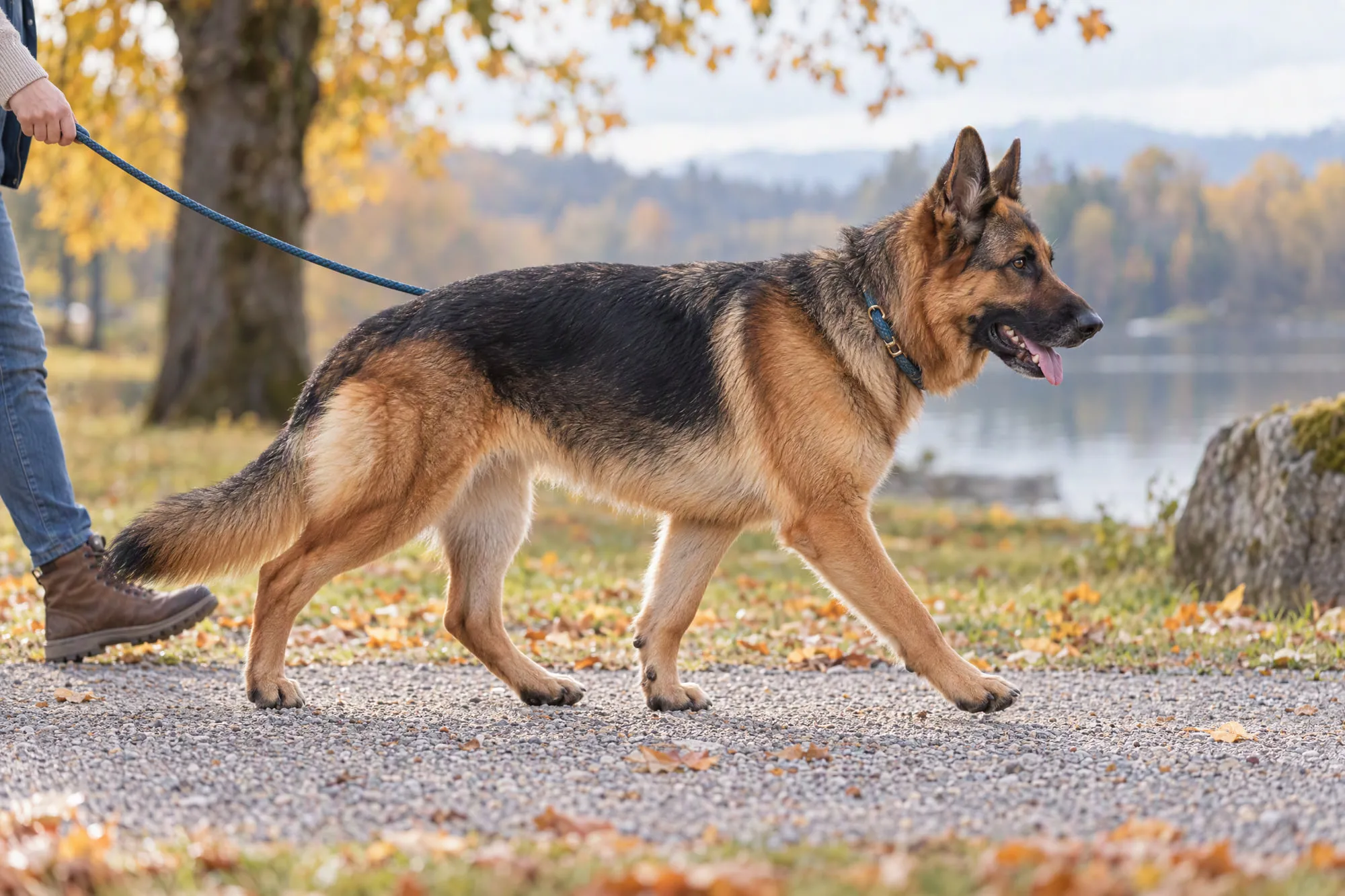
Swaying gait, bunny hopping, struggling to get up: how to spot hip dysplasia in dogs, understand hip scoring, weigh up treatment and manage daily life.
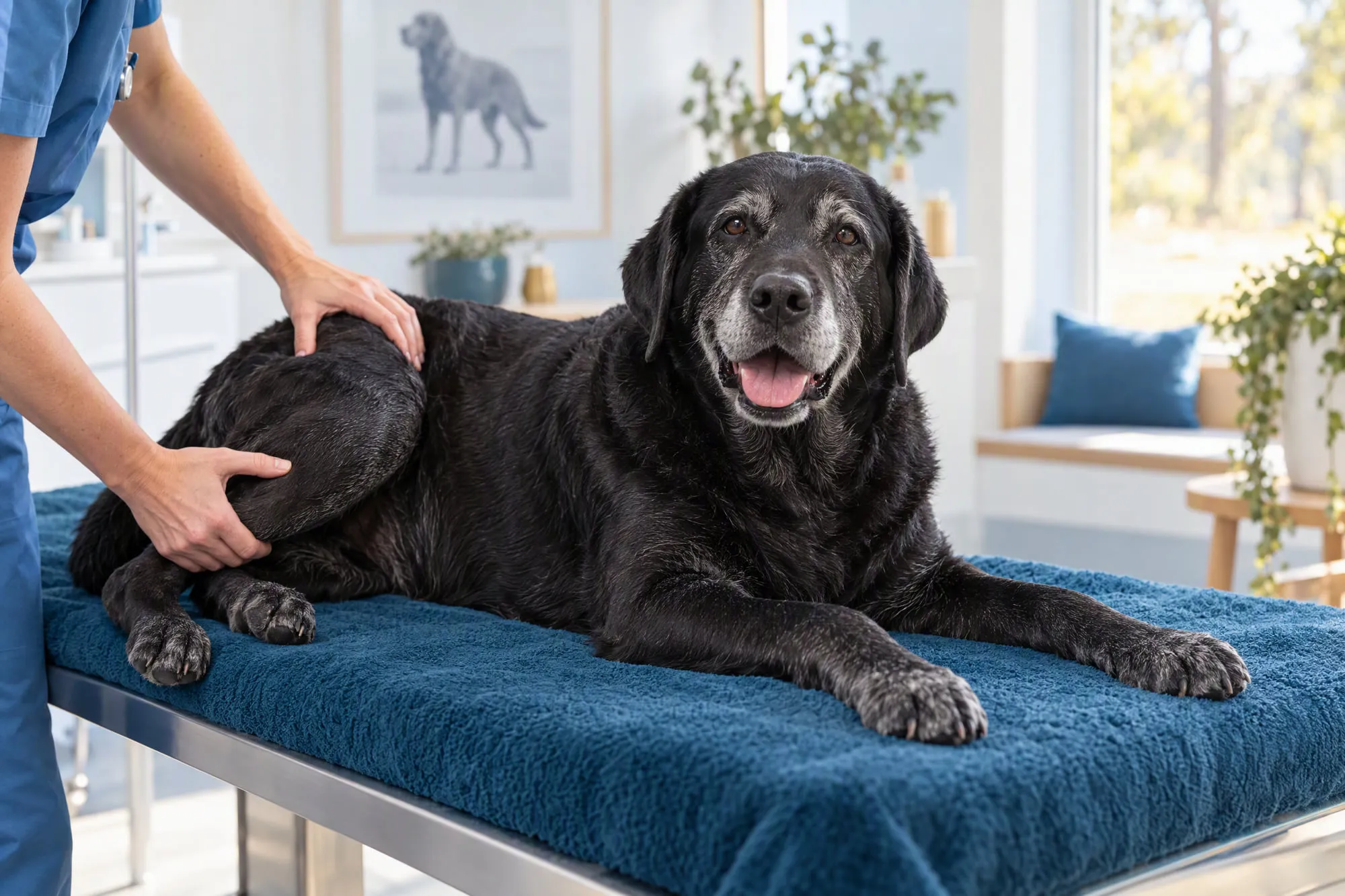
Anti-inflammatories for dogs with arthritis: how NSAIDs and anti-NGF therapy work, checks before treatment, side effects to watch for and mistakes to avoid.
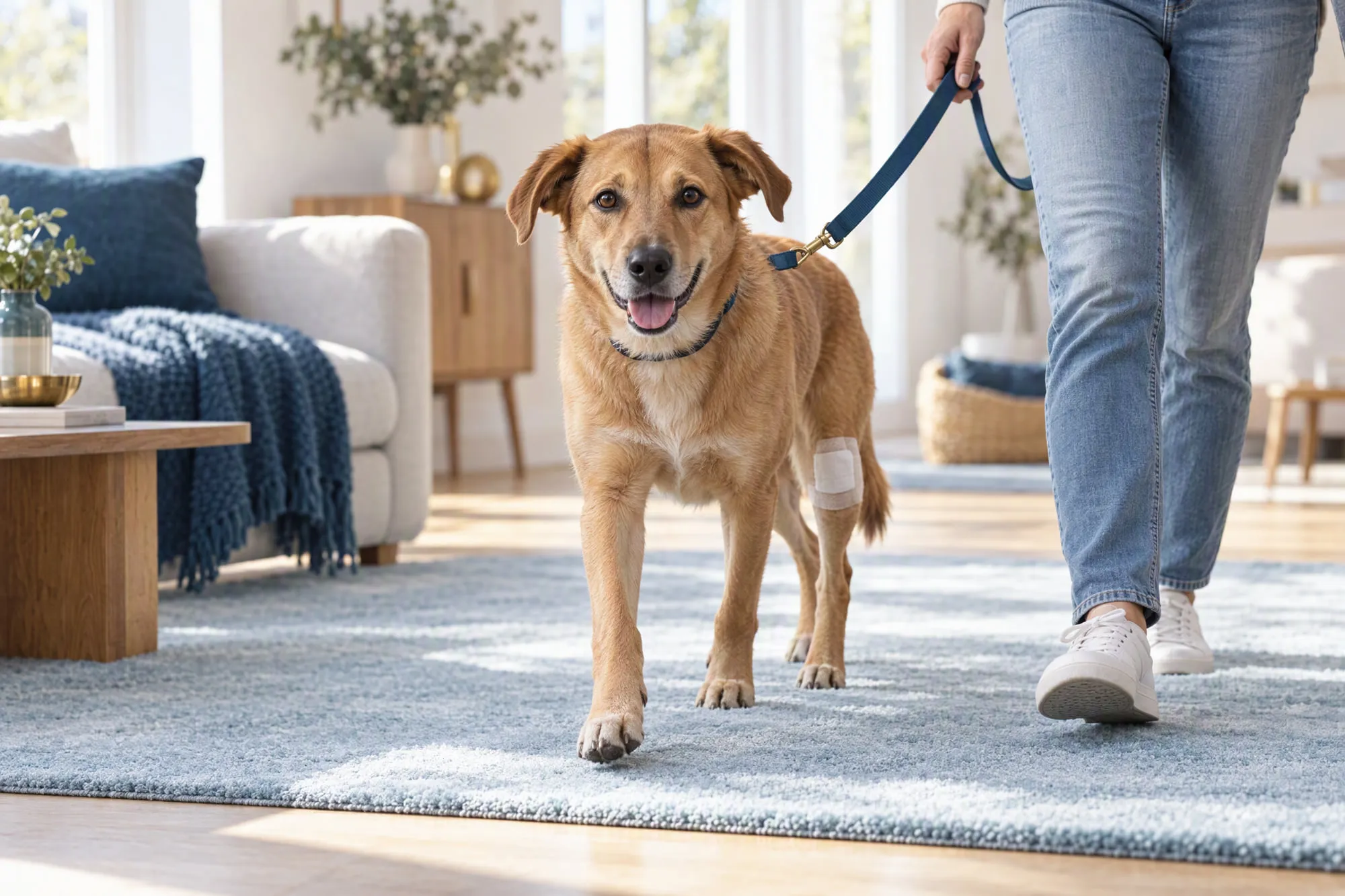
TPLO recovery in dogs, week by week: rest, rehabilitation, warning signs and getting back to normal walks after cruciate ligament surgery.
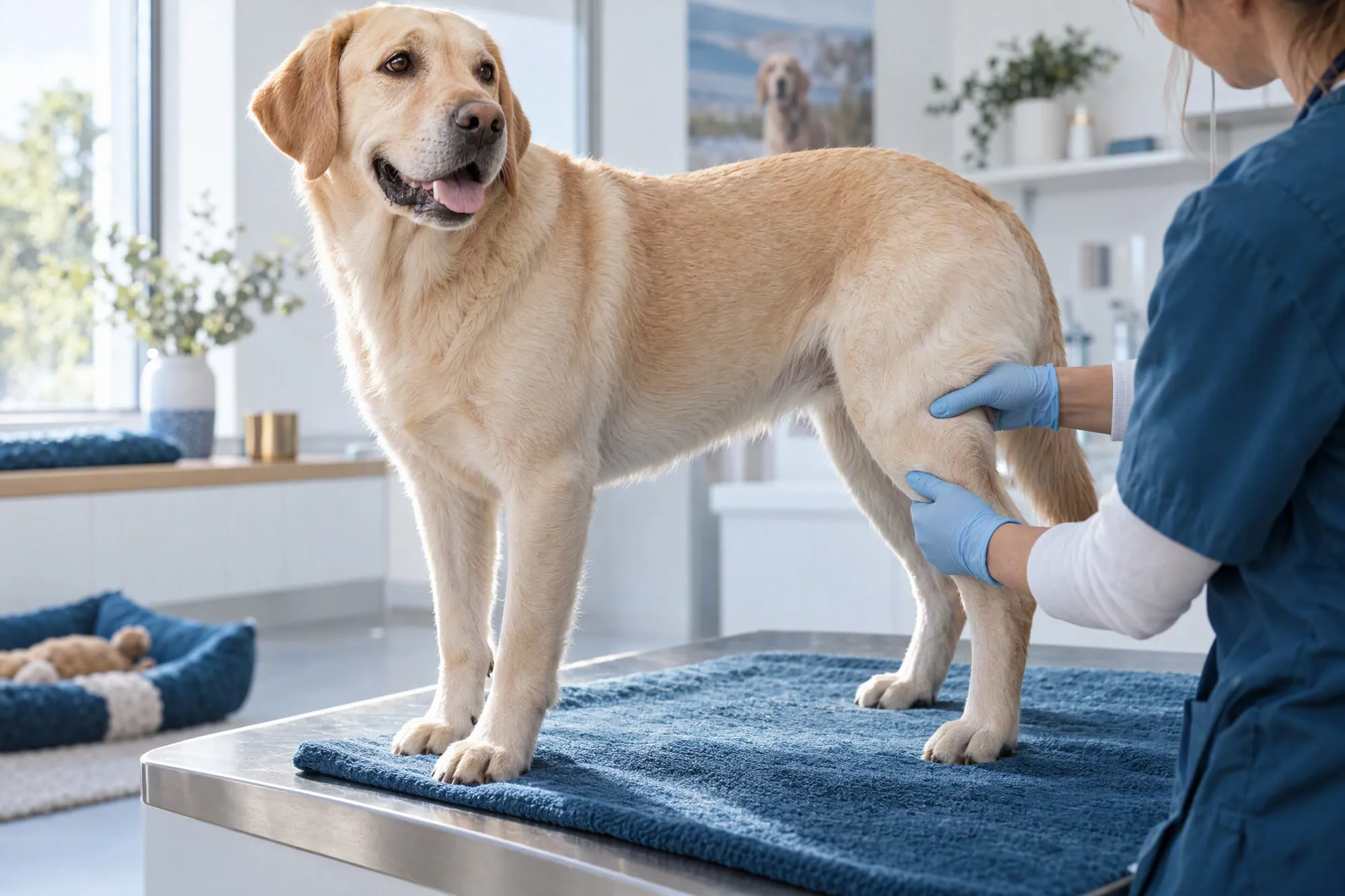
Dog limping on a back leg? Cruciate ligament rupture in dogs: the signs, whether to operate, TPLO, TTA or lateral suture, and a recovery timeline.
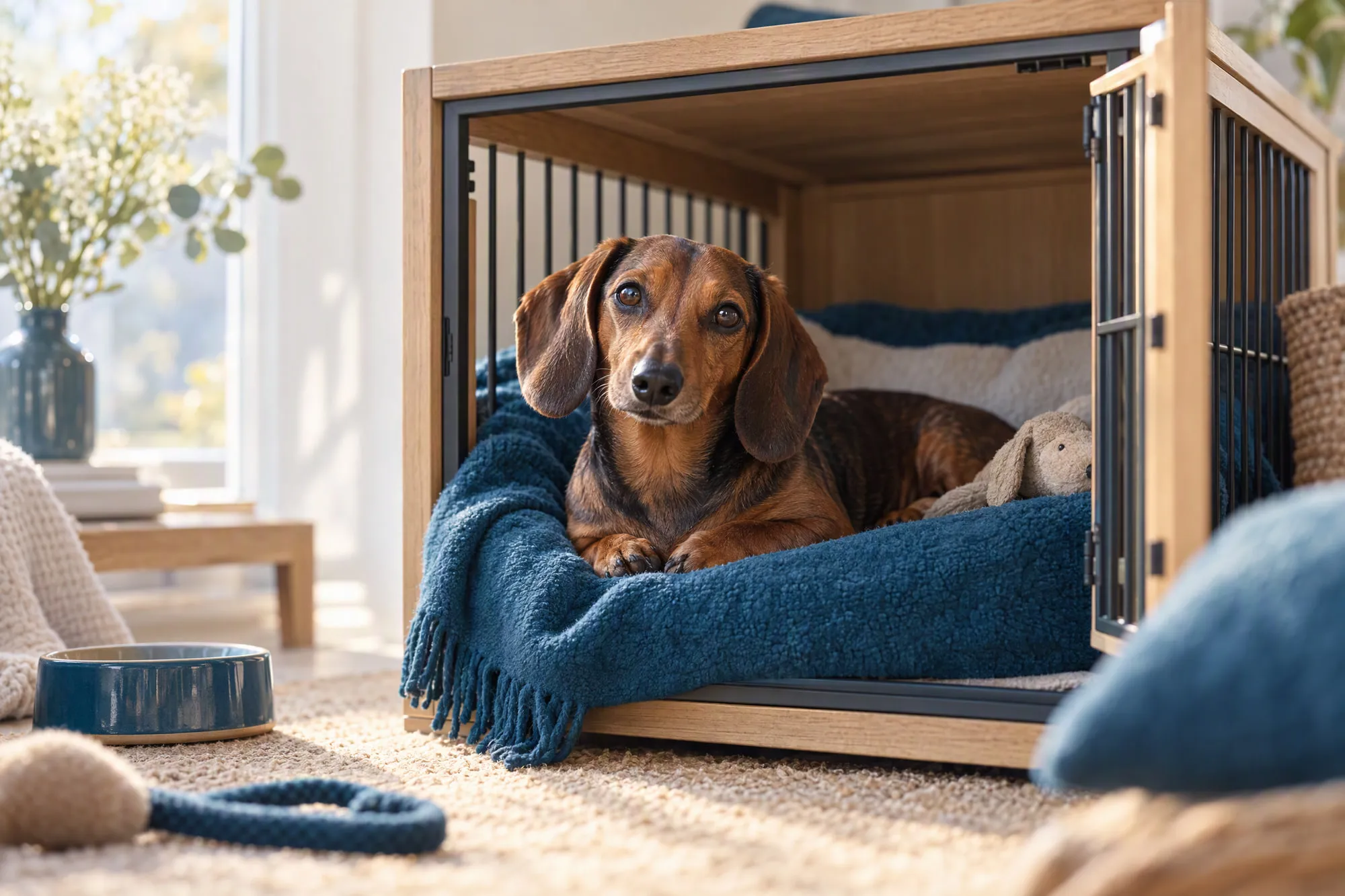
IVDD in dogs: the warning signs, breeds at risk (dachshund, French bulldog), when it’s an emergency, and whether surgery or strict crate rest is best.
Does your dog skip for a few steps, then carry on as normal? Luxating patella in dogs: grades 1 to 4, symptoms, surgery or not, and what helps at home.
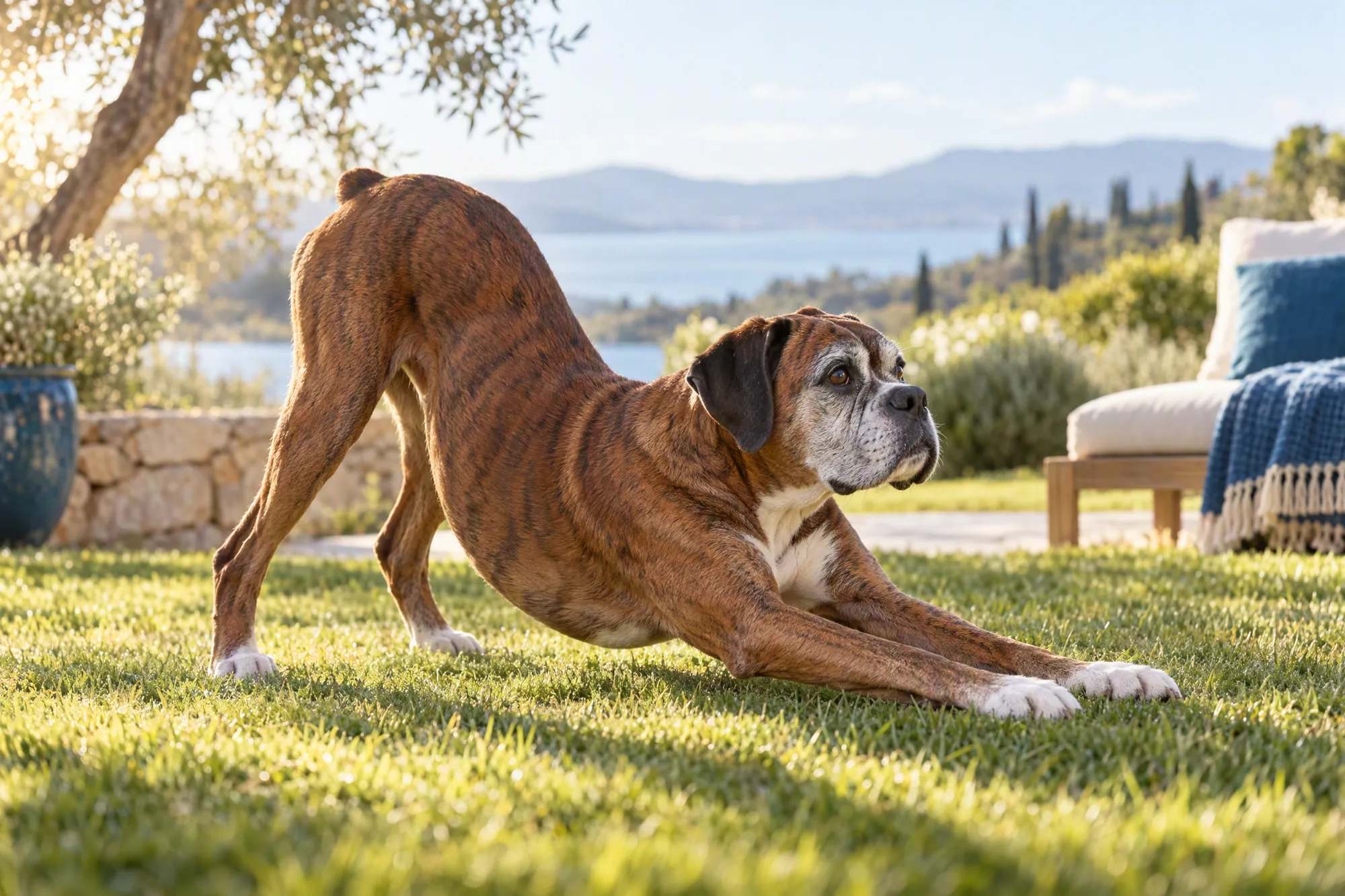
Spondylosis in dogs: what the bony spurs on the spine are, when they cause pain, what your vet can offer and how to keep your dog’s back comfortable.
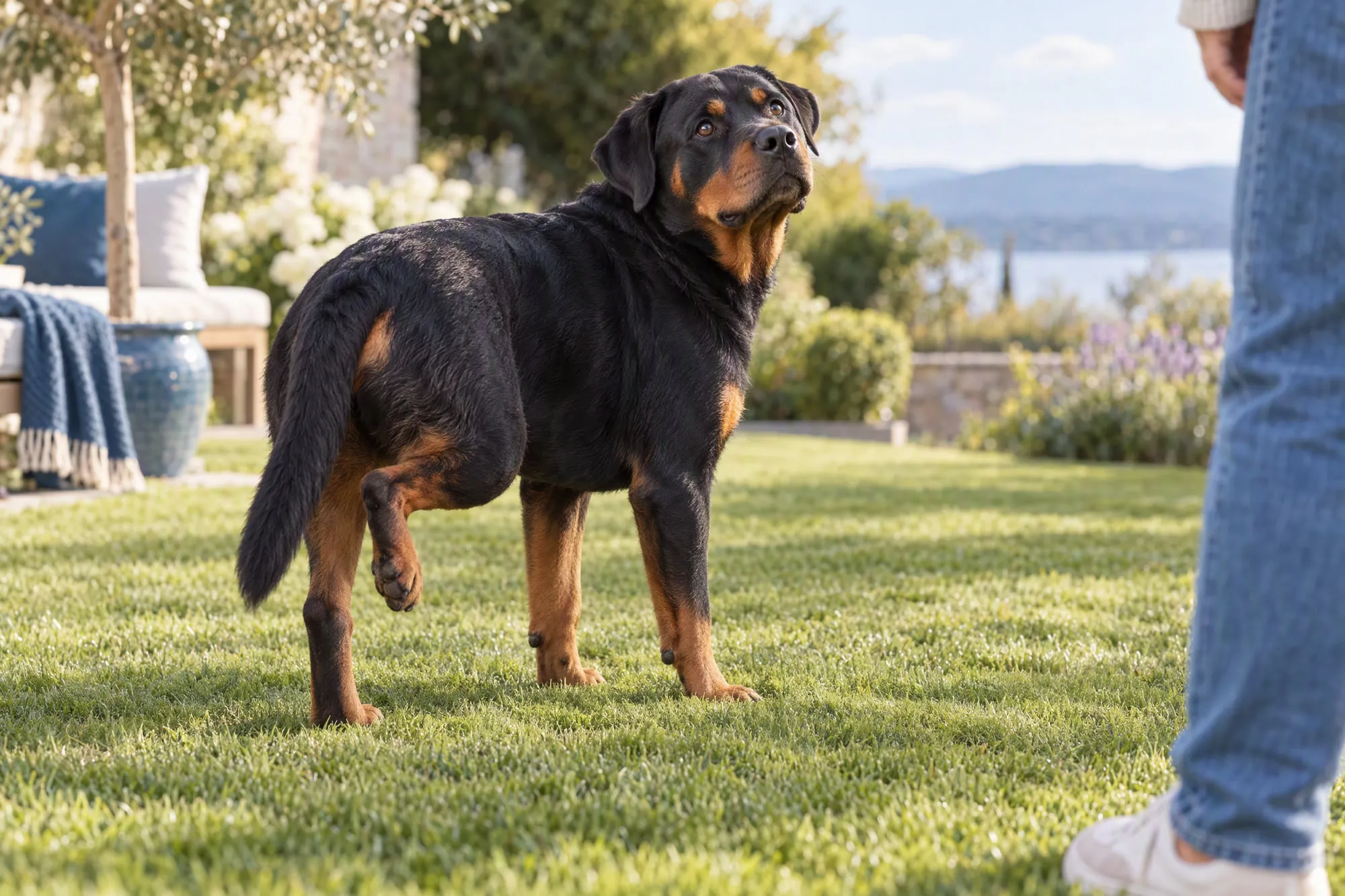
Dog limping on back leg, suddenly or after resting? Cruciate ligament, kneecap, hip: the common causes, what to do at home and when to see the vet.
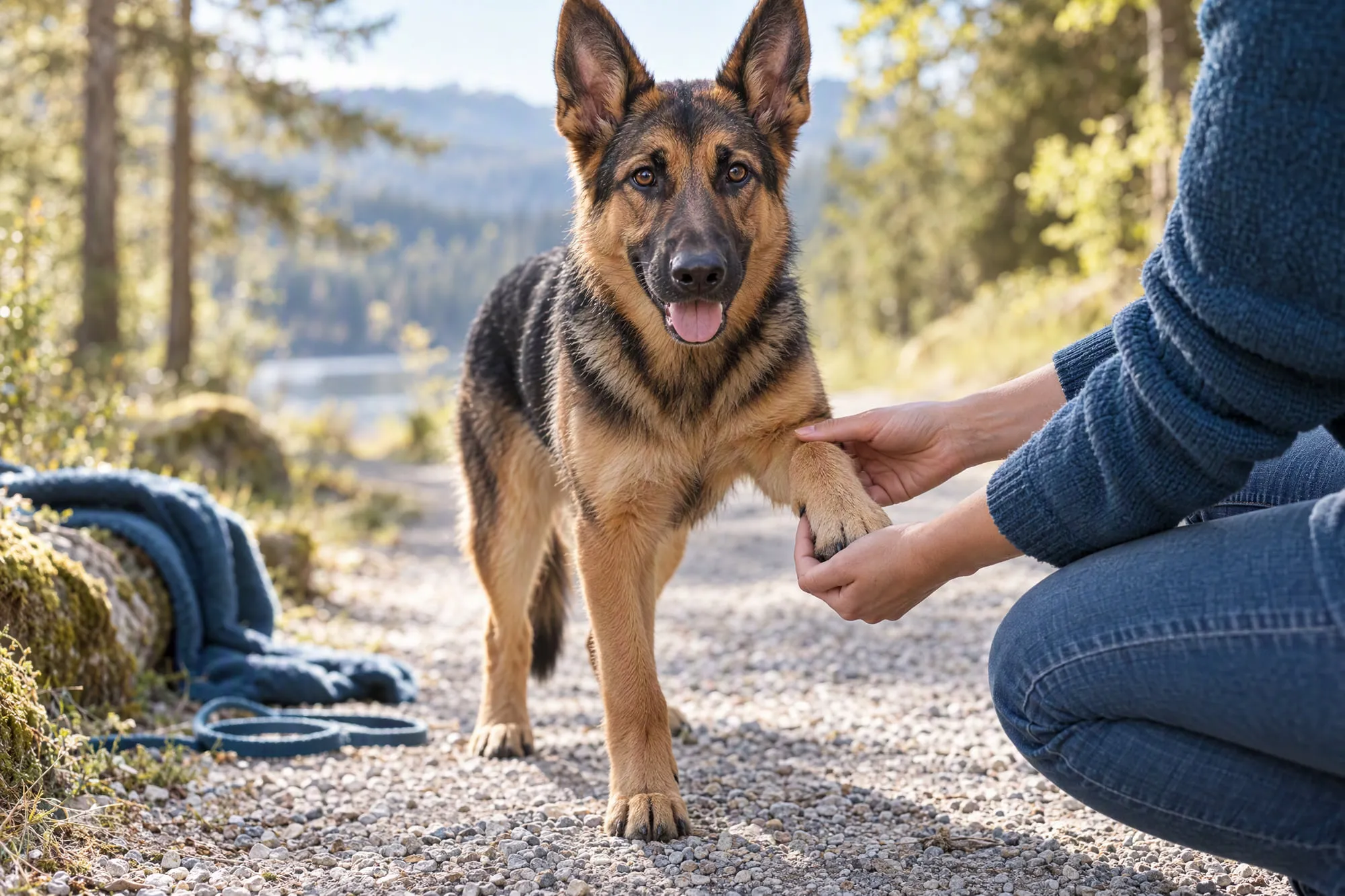
Is your dog limping on a front leg? Toes, wrist, elbow or shoulder: the common causes of a dog limping on front leg, what helps and when to see the vet.
Is your dog limping but still putting weight on the leg, or not at all? Common causes, what to do straight away and the signs that mean a trip to the vet.
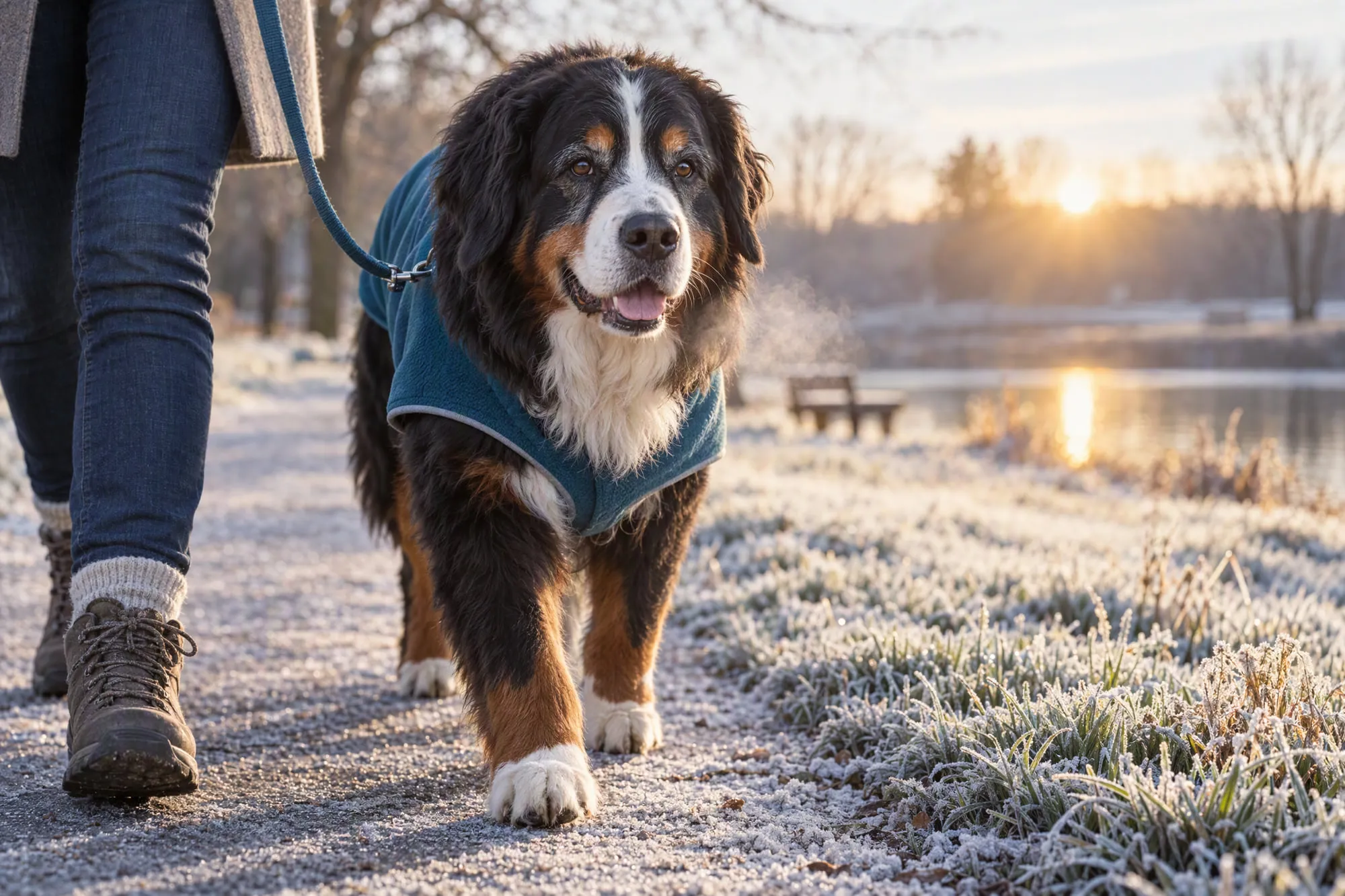
Dog arthritis in cold weather: why your dog is stiffer in winter, the signs to watch for and 10 simple steps (coat, bed, walks) to keep your dog comfortable.
In the early stages, joint problems in dogs look much alike: stiffness on getting up, an intermittent limp, hesitation at the stairs or the car. Yet very different causes can lie behind these signs (arthritis, dysplasia, cruciate ligament rupture, luxating patella, spinal disease), and they are not managed in the same way. So the first step is always a veterinary examination: only your vet can make a diagnosis, often confirmed with X-rays.
Day to day, three levers almost always matter, whatever the cause: a healthy weight, because every extra kilo adds to the load on the joints; regular, appropriate exercise rather than occasional intense efforts; and surroundings that limit slips and jumps. Our guides cover these measures condition by condition, along with the signs that mean you should see your vet promptly.
For large and predisposed breeds (German Shepherd, Labrador, Golden Retriever, Bernese Mountain Dog…), prevention starts during growth: suitable food, measured exercise and, where a scheme exists, screening as recommended by the breed club.
The most common signs are stiffness after rest, limping, hesitation at the stairs or the car, shorter walks, repeated licking of a joint or a change in temperament. Dogs show little sign of pain, so these subtle changes are worth mentioning to your vet.
See your vet promptly if your dog will not put a leg down at all, cries out when touched, can no longer get up or is dragging their back legs. These signs can point to a ligament rupture, a fracture or damage to the spinal cord, which need care without delay.
No, arthritis is a chronic, progressive disease: it cannot be cured, but pain can be greatly reduced and mobility preserved. Management usually combines treatment prescribed by your vet, weight control, appropriate exercise and changes to daily life.
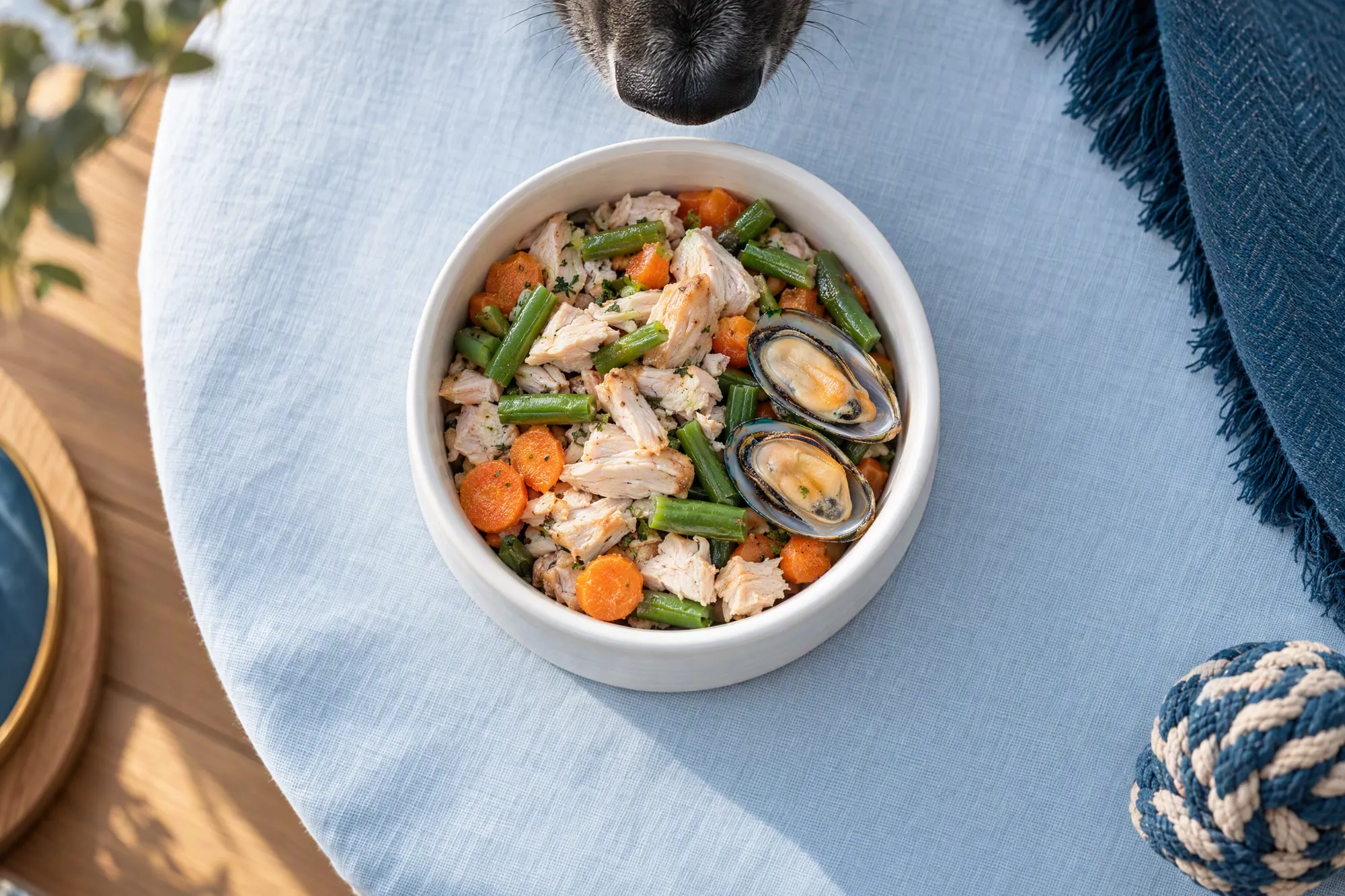
Healthy weight, green-lipped mussel, omega-3: what really matters.
6 articles